Preloader logo

Care

Care

Revolution without healing is just the recycling of trauma,
activism without care is unsustainable,
and we cannot give what we do not have.

Our approach to care is a multifaceted, communal process that thoughtfully integrates a diverse range of philosophies and perspectives. It draws deeply from pan African feminist perspectives, which emphasize relationality, interdependence, and the ethical responsibilities inherent in human connections, challenging traditional individualistic notions of care.

Image is a drawing of a seedling. You can also see the seed growing underground.

Care is not a supplement to activism but the very foundation upon which resilient and impactful movements are built. 

Our approach prioritizes the well-being of frontline activists and survivor leaders by:

Promoting Wellbeing

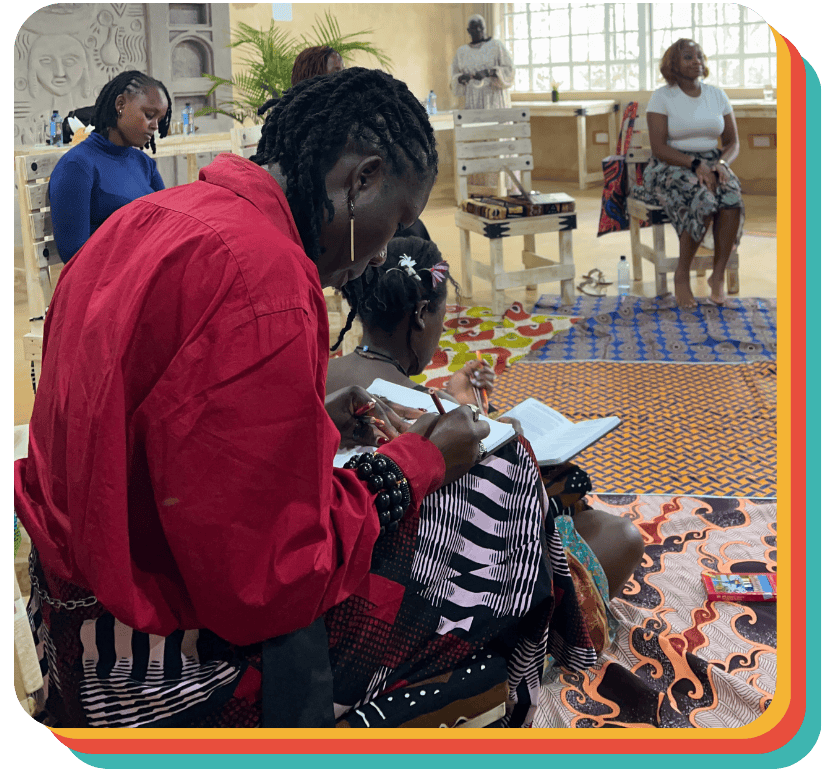
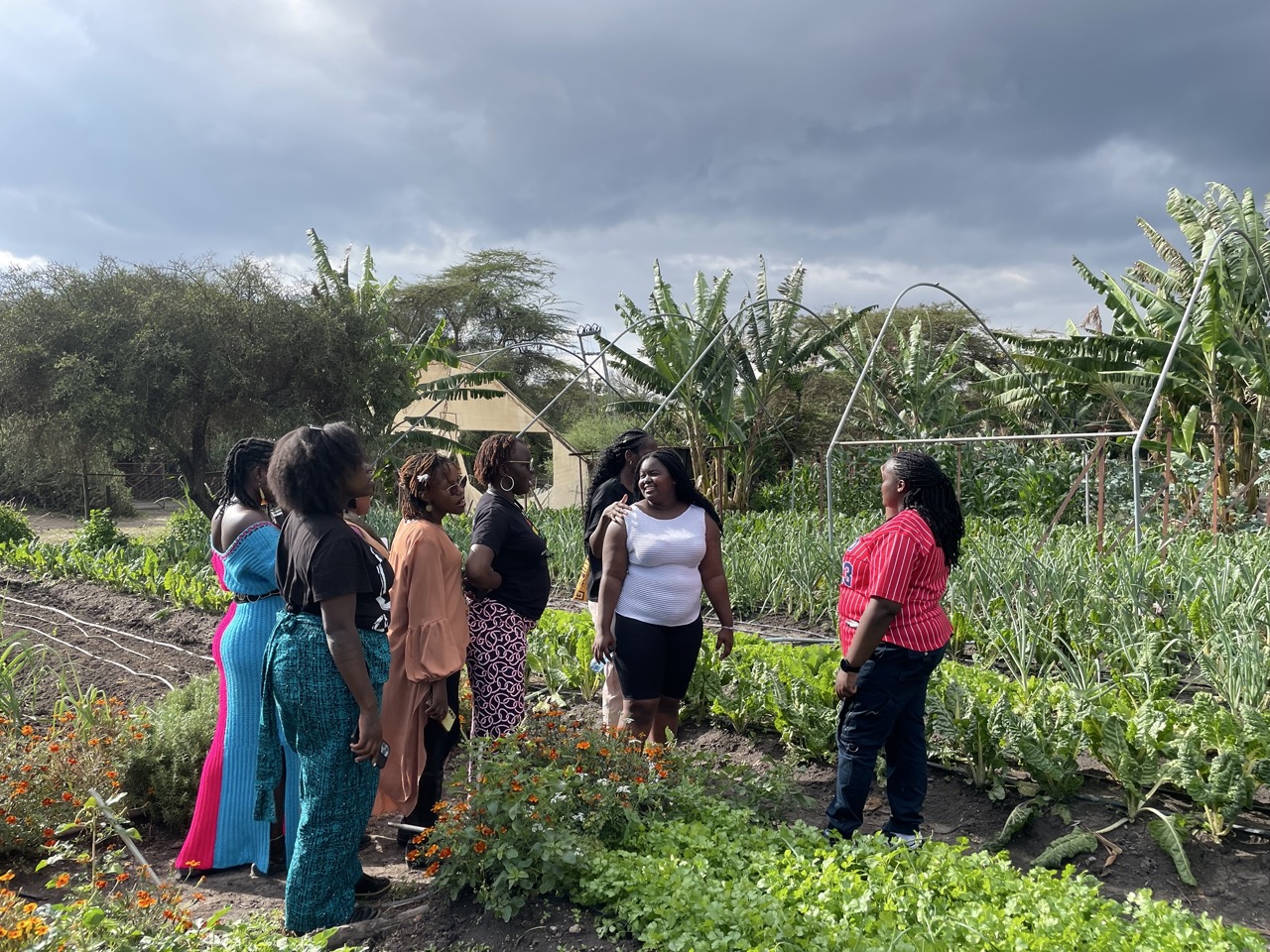
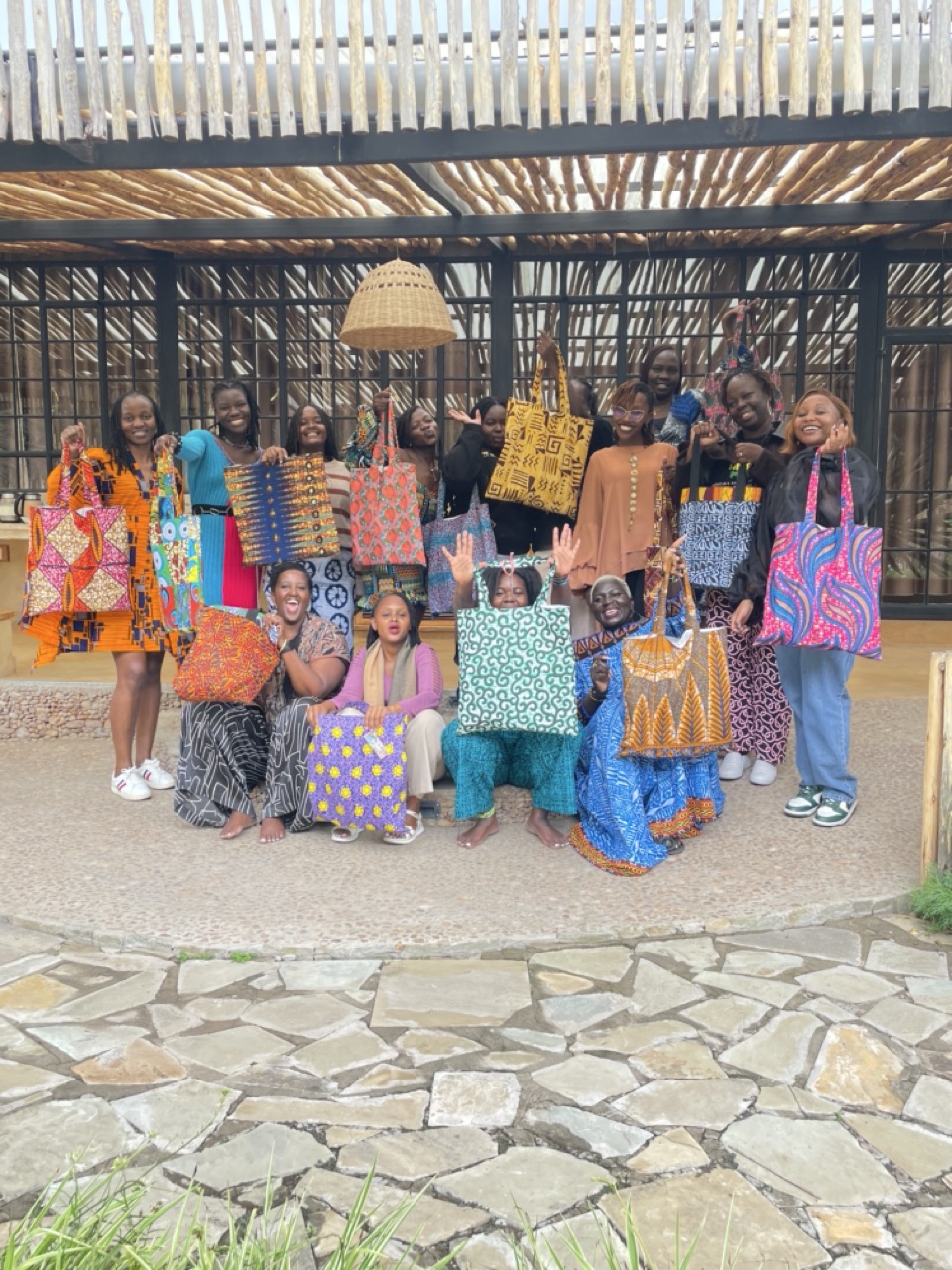
CTI has recently piloted our Care and Wellbeing Fellowship which reframes how activists approach personal sustainability and movement building, challenging burnout culture by supporting practitioners who understand that strategic self-care and community care are revolutionary acts essential for long-term victory. The fellowship is designed to provide a safe, healing, and empowering space for participants to develop the skills and networks necessary for sustainable activism in their respective spaces and ecosystems.

Co-Creating & Sharing Resources

CTI co-creates and shares resources focused on care, wellbeing, and community with our partners, equipping them with the knowledge and tools to embed wellbeing into their own programming. Further, the care resources that we co-create with partners in our care work stream are made available broadly to our other partners, ensuring the sustainability of all our work. Care partners also receive accompaniment support through customised grants for care and wellbeing.

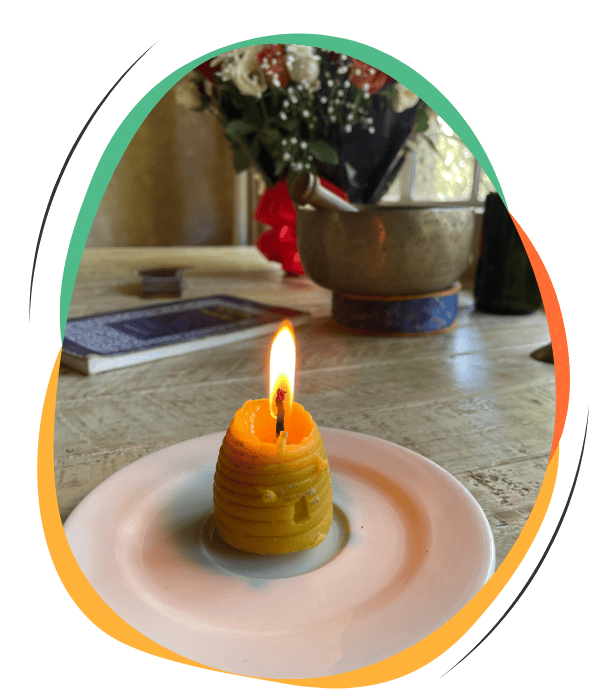
The work of care is ceremony—an act of revolutionary trust. CTI’s Care and Healing Justice Fellowship births spaces where activists gather not for salvation but for remembering: remembering that healing in community is our birthright, that our wounds carry wisdom, that our ancestors planted medicine in our very bones.

As our foremothers gathered beneath ancient trees, we formed our circle – a sacred geometry of healing that transcends time. The opening ritual asks not just "Who are you?" but the deeper question our ancestors knew: "Whose are you?" For we are never just ourselves; we carry the dreams, wounds, and wisdom of those who walked before us.