The Meaningful Engagement Toolbox for lived experience leadership and survivor engagement
The Meaningful Engagement Toolbox helps NGOs, government agencies, funders, and service providers improve how they engage people with lived experience. Access a free handbook, practical assessments, and implementation tools for survivor leadership, co-design, and inclusive decision-making.
The Meaningful Engagement Toolbox began as a framework for improving meaningful engagement of human trafficking survivors for a small number of larger, mainstream anti-trafficking organisations. Over time, it evolved into a broader framework for how nonprofits, development organisations, government systems, and funders can improve how they engage people with lived experiences of the issues that they are working on. The current edition of the framework has become a toolbox to guide organisations and people working in the sectors that address social issues on how to better engage impacted communities and the movements that they’ve created.
The Meaningful Engagement Toolbox consists of two main parts
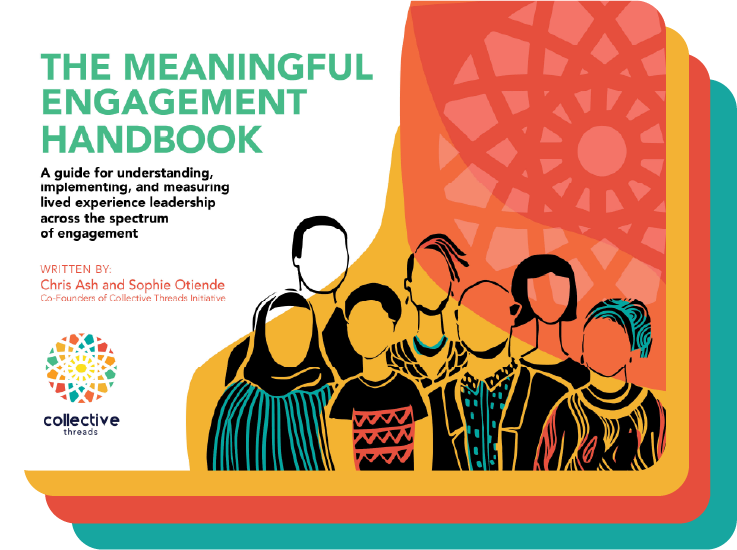
The Handbook
Outlines the history, theory, and practices that underpin the Collective Threads Initiative’s approach.
Various rubrics, assessments, and planning tools intended to support implementation. Choose the ones that work best for your organization and align best with your work.
The third element in how you use the toolbox is your resources
Your organisation, your existing collective knowledge, your community, the people you partner with, and the ways you navigate your local political and social climate.
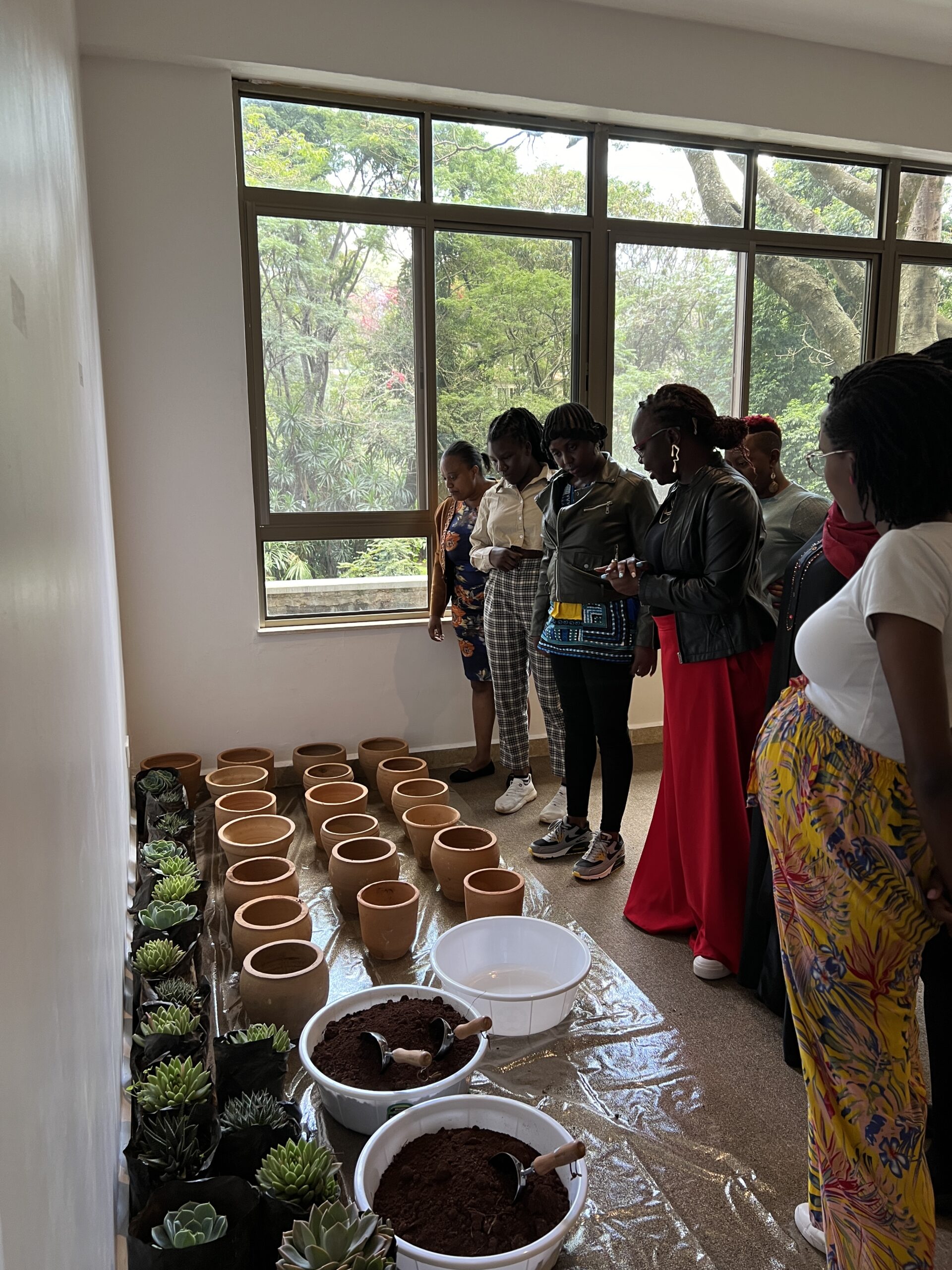
The framework outlined in this handbook might be compared to a handbook on the fundamentals of gardening. How you implement it will depend on your climate and resources, and that will inform the tools that you choose.
Meaningful Engagement Frequently Asked Questions
What is lived experience leadership?
Lived experience leadership is when people who have lived experience of an issue — such as human trafficking, gender-based violence, labor exploitation, migration, or race or caste-based discrimination — are leading efforts to address the issues faced by those impacted communities. This can be at the grassroots and community level, within organisations, across regions, or in government or other systems responses.
Not every person with lived experience wants to be in movement leadership. Some just want to live their lives, care for and spend time with their families, and have an overall “normal” life. And not every person with lived experience in movement leadership engages in the same ways or at the same levels. A nuanced framework for lived experience leadership — like that found in our Meaningful Engagement Toolbox — helps guide truly meaningful engagement and lived experience leadership.
How do organisations engage survivors ethically?
Often organisations may have survivors (or other employees impacted by the issues at the core of their work) already working in and with their programs. For survivors and other people whose lived experiences are not readily visible, who can choose whether or not to disclose being part of an impacted group, they may be open about their survivorship. Sometimes, though, organisations will have impacted people among their staff and key partners and may not know.
Ethical engagement means:
Nobody is required to disclose their personal experiences in the workplace,
That organisations are structured so that all staff and partners feel a sense of belonging and know they are valued (including people from impacted communities), and
That impacted people are treated compassionately and equitably, supported in their leadership, and have a variety of ways to engage in the work that align with their personal skills, interests, and goals.
What tools help co-design with lived experience experts?
CTI has a variety of tools in our Tools Library to support organisations in their co-design practices.
The Lived Experience Engagement Planner helps develop a concrete plan for meaningful engagement across the levels of the spectrum in a project, team, or department.
Barriers and Opportunities is a practical guide for overcoming common barriers to full engagement of survivors and other impacted communities.
The Power Analysis Workbook has activities to identify power analysis in the way your work is structured so that you can develop a mitigation plan in order to foster true belonging.
The Foundations Self-Assessment is a tool for oganisations to conduct a basic evaluation of their infrastructure to support robust lived experience engagement.
Want to know more about the ins and outs of our Meaningful Engagement Toolbox and the framework it uses? Check out our Toolbox FAQs.